Shelf-Scanning, Not Window-Shopping: A Calmer Way to Read a Candy Casino Lobby
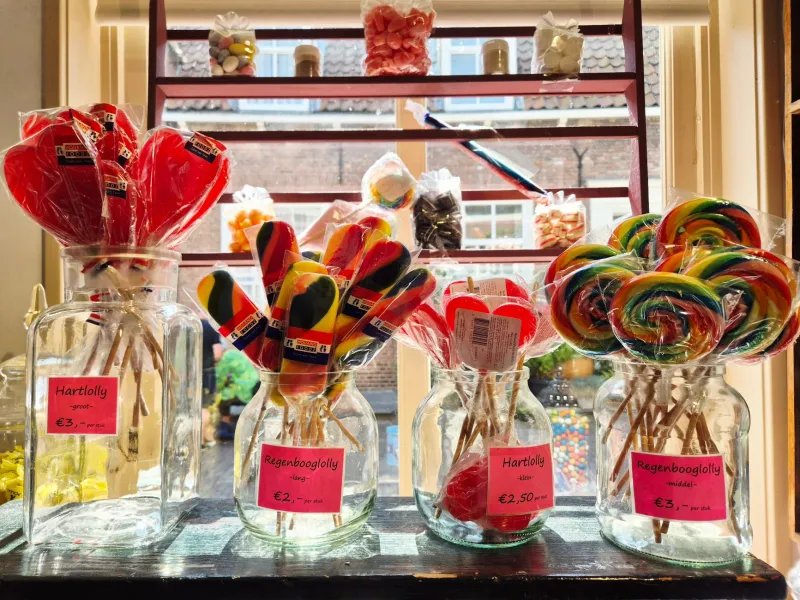
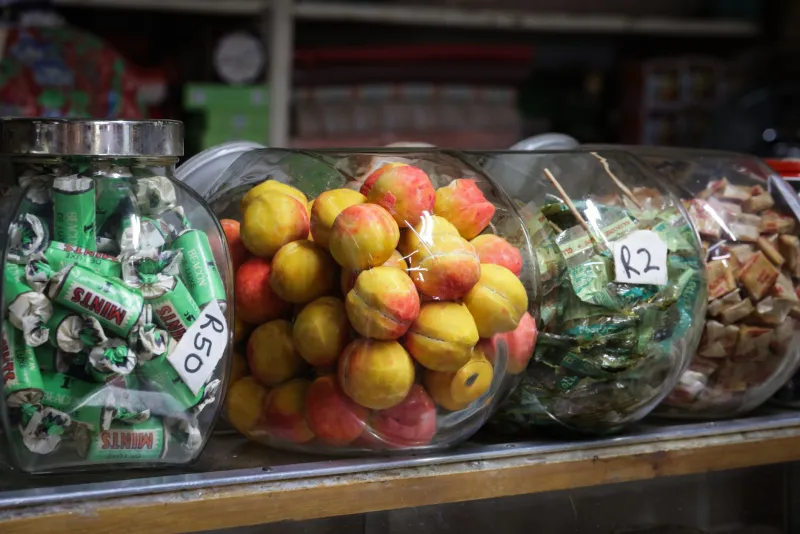
Walk past a proper old-fashioned sweet shop and the window does most of the talking. Sherbet lemons stacked in jars, cola cubes catching the light, a hand-written card for something new. You go in for one thing and come out with a bag of something else. That is not an accident. It is retail theatre, and it works because the display is doing the choosing for you.
Candy casino lobbies are built on the same instinct. Only instead of jars, you get thumbnails. Instead of a chalkboard, you get a 'NEW' badge. Instead of a shopkeeper saying try this one, you get a featured row that never stops moving. None of that makes the lobby wicked. It makes it commercial. The useful question for a UK player in 2026 is simpler: are you scanning the shelf, or is the shelf scanning you?
The window dresser's trick
A sweet-shop window is not a catalogue. It is an argument. The best-looking items go at eye level, the new lines get a card, and the everyday stock sits further back. Casino lobbies do the same. The top row is usually paid placement, editorial favour or whatever the operator wants you to notice. A bright thumbnail with a cartoon cherry and a badge saying 'hot' is not a performance review. It is signage.
That matters because the first game you see is rarely the first game you would have chosen. If you had to walk to the back of the shop and read the labels, your shortlist might look very different. The lobby is designed to shorten that walk. Your job is to lengthen it just enough to make a clear decision.
Why the featured row is not a shortlist
Featured games can be perfectly good. The problem is that 'featured' tells you about promotion, not fit. It does not tell you the game's volatility, its return-to-player figure, its minimum stake, or whether the bonus round suits a ten-minute session or a longer one. In the UK, those are the details that matter when you are spending your own money.
So treat the top row as a shop window, not a menu. Look at it, enjoy the colours, then move on. A game's placement in a lobby is a marketing decision. Your shortlist should be a personal decision based on what you actually want from a session: a slow, low-stake spin, a quick burst of volatility, or something in between.
A three-pass scan that takes ten minutes
The first pass is the blind pass. Open the lobby and deliberately ignore the featured carousel. Go to the search or filter tools. If you already know you want a candy-themed slot, type that in. If you want a particular volatility, use the filter. The aim is to arrive at a list that was not hand-picked for you by the homepage.
The second pass is the label pass. Before opening a single game, read the tile information. Look for the provider, the volatility description and the RTP if it is shown. Check whether the game has a demo mode. On CandyLand Casino and similar UK-facing sites, a demo is your chance to see the pace of the reels without spending a penny. If a game only reveals its terms after you have loaded it, note that and keep moving.
The third pass is the three-game shortlist. Pick no more than three titles and compare them side by side. Which one has the stake range you want? Which one has a bonus feature you understand? Which one has an RTP figure you are comfortable with? Write the answers down if you need to. The act of comparing three games is usually enough to break the spell of the first flashy tile.
Reading the badges like a shopkeeper
'New' is the most overworked word in any lobby. In a sweet shop, a new line might mean a fresh flavour. In a casino lobby, it often means a recent release that has not yet built a track record. That is not a reason to avoid it. It is a reason to look at the paytable rather than the badge.
'Hot' is another one. It usually means popular or promoted, not profitable. 'Exclusive' means you will not find it elsewhere, which can be interesting, but it says nothing about the maths. The badge is the wrapper. The paytable is the sweet. If you would not choose the game in a plain wrapper, the wrapper is doing too much work.
The sweet-shop test in practice
Here is a quick test you can run on any lobby. Imagine the same game with a grey tile and no badge. Would you still open it? If the answer is yes, you have a genuine interest. If the answer is no, you have been window-shopped.
That does not mean you can never play a featured game. It means you should notice when the display is making the decision. A deliberate scan gives you a small, useful pause between the bright colours and the spin button. In a corner shop, that pause is the difference between a planned treat and a basket of impulse buys. In a casino lobby, it is the difference between a session you chose and a session that chose you.
When the lobby wins
Some lobbies are deliberately busy. Carousels move, badges flash, and every tile promises a different kind of fun. If you feel your eyes sliding over the screen rather than reading it, stop. Close the tab. Come back when you have a budget and a rough plan. A lobby is not a test of willpower. It is a shopfront, and you are allowed to walk past it.
At CandyLand Casino, the sensible approach is to treat the lobby as a starting point, not a command. Scan the shelf, compare the labels, and let your own criteria do the choosing. The window can be as pretty as it likes. You are the one holding the bag.