Behind the Cellophane: Spotting a Candy Slot Reskin Before You Spin

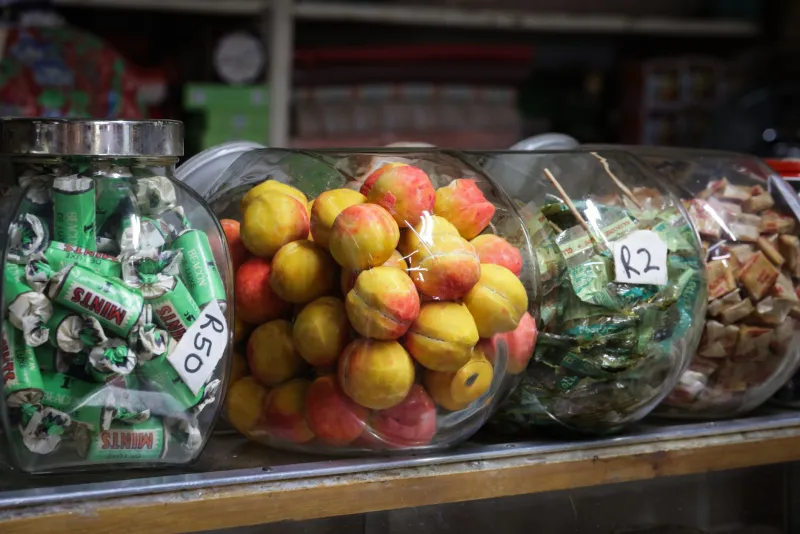
Photo: Kehar Singh, Public domain, via Wikimedia Commons
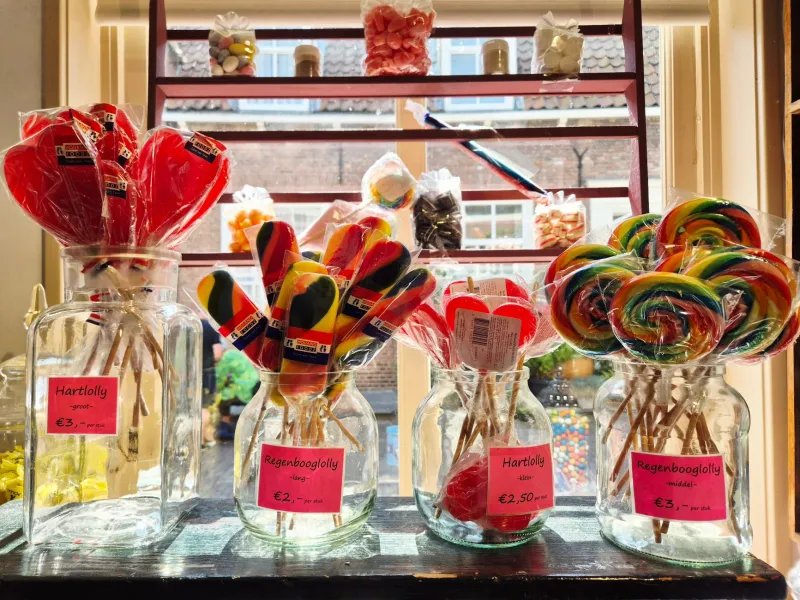
Walk into any UK sweet shop and you’ll see the trick. The same foam shrimp, the same cola bottles, the same sherbet lemons — just moved into a brighter bag with a new name. Online slots do something similar. A studio takes a familiar maths model, dresses it in candy canes and cartoon gummies, and calls it a 2026 release. That is not automatically a con. A reskin can be a perfectly good game with a fresh coat of paint. But if you are choosing what to spin, it helps to know whether you are paying for a new recipe or just new cellophane.
The Wrapper Is Not the Recipe
Candy slots are especially prone to this because the theme is so flexible. Swap chocolate for jelly beans, change the background from a pick’n’mix counter to a sweetshop window, add a bouncing soundtrack, and the lobby tile looks brand new. Underneath, the reels may behave exactly like a title you already know. Sometimes that is fine — if you liked the original maths, the new version may suit you too. The problem is when the wrapper makes you assume the numbers have changed as well.
At CandyLand Casino, we are not against a familiar game in a new outfit. We are against judging the outfit instead of the maths. So before you press spin on the latest candy-themed release, run a few quiet checks.
Start With the Game Info Screen, Not the Cartoon
The first stop is the information panel, usually a small ‘i’ or menu icon on the game screen. This is where a UK-licensed casino should give you the practical detail: the return to player percentage, the volatility description, and often the maximum win. Read these before you get distracted by the animation.
RTP is the long-run average return, not a promise for your session. If a new candy slot shows 94.5% and an older title from the same studio shows 96%, that difference matters over time. It matters even more if the new game is being marketed as an upgrade. Volatility tells you how the game tends to behave: low volatility is steadier, high volatility is spikier. A reskin that keeps the same RTP and volatility as its predecessor is not necessarily bad — but you should know that is what you are getting.
Max win is another clue. If two slots share the same maximum multiplier, the same top symbol values and the same feature trigger, they may be closer cousins than the artwork suggests. That does not mean they are identical, but it gives you a reason to look further.
Read the Paytable Like a Recipe List
A paytable is the ingredient list. Look at how many symbols there are, what the low-value and high-value symbols pay, and whether the game uses lines, ways or clusters. Check how the bonus round is triggered and what happens inside it. A candy slot with a free-spins round, a symbol collection mechanic and a multiplier ladder may be a reskin of another game with the same structure behind a different set of sweets.
This is not about spoiling the fun. It is about recognising the shape of the game. If the paytable feels oddly familiar, compare it side by side with the title you suspect. You do not need to memorise every value. Just note the basics: number of reels, number of rows, payline or cluster rules, symbol hierarchy, and the main feature. If those line up neatly, you are probably looking at a reskin or a close relative.
Look for the Developer’s Fingerprints
Studios have habits. The spin button sits in a certain place. The autoplay menu uses a particular layout. The turbo spin setting has a distinctive feel. The bonus trigger animation lasts about the same time. The sound design may even use the same type of chime or whoosh. None of these things prove a reskin on their own, but together they form a fingerprint.
A practical way to check is to open the suspect game and an older title from the same developer in two tabs. Compare the interface, the information screens and the way the reels settle. Do not play for long — a few minutes in demo mode is enough to spot the family resemblance. If the only real difference is the candy art and the name, you can make your decision with clearer eyes.
Use Demo Mode as a Side-by-Side Test
Demo mode is useful here because it lets you compare rhythm without risking your budget. You are not trying to win anything. You are watching how often features appear, how volatile the base game feels, and whether the bonus round behaves like the one you already know. Keep it short and purposeful. A hundred spins on each game is not a scientific test, and it will not tell you what will happen next, but it can reveal whether the new wrapper is hiding the same chew.
One caution: demo mode can differ from real-money play in small ways depending on the operator and game version. Always check the actual game info on the site where you intend to play, and make sure the RTP shown matches what you expect.
What to Do When You Spot a Reskin
Spotting a reskin is not a reason to panic. It is a reason to compare. If the new candy slot has the same maths as a game you enjoy, and the RTP and max win are not worse, it may be a perfectly sensible choice. If the RTP is lower, the volatility is higher than you want, or the max win has been trimmed, the wrapper may be doing more work than the maths deserves.
Then there is the budget question. A bright new theme can make a familiar game feel fresh, and that can tempt you to play longer than you planned. Set your spend before you open the lobby, not after the first bonus round. A reskin is still the same game underneath, and your limits should travel with you.
In 2026, candy slots will keep arriving in shiny new bags. Some will be genuine new recipes. Some will be old favourites in different colours. Neither is automatically wrong — but you should be the one deciding which is which.